860-829-2244

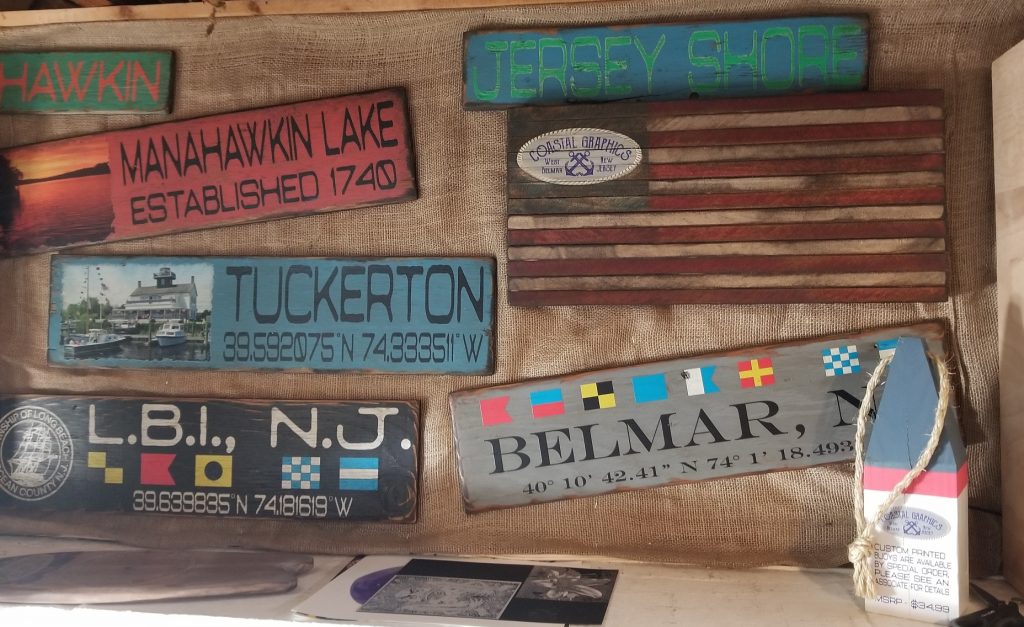
Printing on wood used to mean screens, stencils, engraving, or a laser. A UV LED printer replaces all of that with a single pass. The machine jets ink directly onto the wood surface and cures it on contact with UV light, so a finished graphic comes off the bed dry, in full color, with no plates and no screens to reclaim.
This guide is written for the businesses that print on wood at volume: sign shops, promotional-product companies, and manufacturers that need a durable mark on a wood part. It covers what you can print, why UV LED ink behaves the way it does on wood, the equipment and workflow involved, and how to pick a printer that matches your part sizes and run lengths.
Key Takeaways
- You print on wood with a UV LED flatbed printer that jets ink directly onto the surface and cures it instantly under light, with no heat and no screens.
- An opaque white underbase is what keeps color bright and accurate on dark or stained wood.
- Direct Color Systems reports its UV LED printers accept wood stock up to 6 inches thick on the bed.
- UV LED ink is jetted only where the image needs it and cures to a solid film, unlike the solvent finishes the EPA regulates for VOC emissions.
- Match the printer, from the compact UV-21MP up to the large-format UV-84DTS Gen2, to your part size and run length.
How to print on wood: the short answer
You print on wood with a UV LED flatbed printer. You lay the board on the bed, send the artwork, and the printer jets CMYK ink plus opaque white while UV LEDs cure each pass instantly. Direct Color Systems reports that its UV LED printers put photo-quality images, logos, and text directly onto wood, and can accept stock up to 6 inches thick on the bed. The wood printing application page lists the substrates and products DCS has tested.
Because the ink cures under light rather than by evaporating a solvent or baking in an oven, there is no heat step and no waiting. That matters on wood, which can warp or scorch under heat. The graphic is touch-dry the moment it leaves the LED array, so you can handle, stack, or finish the piece right away.
What kinds of wood can you print on?
DCS states that its printers are excellent for finished woods and lay down vibrant color and opaque white even on dark woods or dark stained woods. That white ink is the key. Without an opaque white underbase, CMYK inks look washed out on anything that is not bright and pale, because the color of the wood shows through.
In practice, shops print on plywood, MDF, birch, maple, walnut, bamboo, and painted, stained, or pre-sealed blanks. Raw, open-grain, oily, or waxy surfaces behave less predictably, so the safe move is to run a sample on the exact stock you plan to sell. Common finished products include wood signage, plaques, coasters, and cornhole boards, all of which DCS lists as wood-printing examples. Flatbed clearance up to 6 inches means you are not limited to thin panels: thicker blocks, box lids, and assembled pieces fit on the bed too.
Why UV LED printing suits wood better than solvent or screen methods
The U.S. Environmental Protection Agency regulates the volatile organic compound (VOC) content of coatings for a health reason. In its words, "ozone is a major component of smog which causes negative health and environmental impacts when present in high concentrations at ground level," and VOC emissions feed that ground-level ozone. The EPA sets national limits on coating VOC content in its architectural coatings VOC standards.
UV LED ink sidesteps much of that exposure. It becomes a solid film the moment it cures, it is jetted only where the image needs it, and there is no solvent evaporating into the shop air and no screens to wash out afterward. Compared with screen printing, there are no stencils to burn, no minimum order to justify setup, and no color-by-color registration, so a run of one is as easy as a run of five hundred. Compared with laser engraving, you get full color instead of a burned monochrome mark.
The equipment and workflow you need
The global UV curable inks market was worth about USD 1.9 billion in 2025 and is projected to reach USD 3.6 billion by 2035, a 6.3 percent compound annual growth rate, according to market research from market.us. The pull is coming from exactly this kind of direct-to-object work.
To print on wood you need four things: a UV LED direct-to-substrate printer with a white ink channel, a print-ready file (vector art or a high-resolution raster), a flat and clean wood surface, and a jig or registration setup so you can place each blank in the same spot every time. DCS builds a range of UV LED printers, from the compact UV-21MP for small parts up to the large-format UV-84DTS Gen2 for full sheets and long runs, with the UV-32MP and UV-44DTS sitting in between. The VIBRAHue line targets shops that want an expanded color range. Match the bed size and throughput to the parts you actually sell, not to the largest job you might ever quote.
Step by step: printing a wood sign or plaque
Direct Color Systems lays down opaque white as an underbase, and that single feature is what makes color read correctly on dark or stained wood. A repeatable job looks like this:
- Prepare the surface. Wipe the board clean and dust-free, and confirm it sits flat on the bed. Sand or seal raw stock if a test print shows the ink soaking in unevenly.
- Set placement. Build or position a jig so every blank registers in the same spot, which keeps multi-piece runs aligned.
- Lay the white. For dark, stained, or colored wood, print an opaque white underbase everywhere the artwork will sit.
- Print the color. The printer jets CMYK over the white, and the UV LEDs cure each pass on contact.
- Add texture if you want it. DCS printers support a raised, textured effect for tactile detail, which suits premium plaques and awards.
- Inspect and finish. Check adhesion and coverage, then apply any protective clear coat that your end use calls for.
Keep the file resolution high and the artwork sized to the physical part. Because there is no drying or curing wait, the limiting factor on output is loading and unloading the bed, not the ink.
Which businesses print on wood, and which DCS printer fits
Demand for customized physical products is large and steady. The Advertising Specialty Institute reports that the promotional products industry reached a record $26.6 billion in U.S. sales in 2024, up 1.8 percent over the prior year, in its industry sales report. Personalization pays off at the brand level too: Deloitte Digital found that brands which excel at personalization are 48 percent more likely to have exceeded their revenue goals, in its personalization research.
Wood printing serves several of those buyers at once:
Who buys printed wood
The demand is personalization, and the constraint is bed clearance
Wood shows up wherever a buyer wants a physical object with their name on it, so the market question and the machine question end up being the same question.
$26.6B
record U.S. promotional products sales in 2024, up 1.8% on the prior year
48%
more likely that brands excelling at personalization exceeded their revenue goals
6 in
maximum wood stock thickness a DCS UV LED printer accepts on the bed: blocks and box lids, not just thin panels
- Sign shops that produce wood signage alongside acrylic and metal work.
- Promotional-product companies making coasters, plaques, awards, and cornhole boards.
- ADA and braille sign makers, who use the DCS textured printing process for raised, tactile output.
- Manufacturers marking wood parts, panels, and serial plates in house rather than outsourcing them.
For low-volume, small-format work, the UV-21MP is a sensible entry point. Shops running larger panels or higher volumes move up to the UV-44DTS or the UV-84DTS Gen2. The right choice comes down to part size, run length, and how much of your current outsourcing you want to bring in house.
Frequently Asked Questions
Do you need to prime or pretreat wood before UV printing?
It depends on the surface. DCS reports strong results on finished and dark-stained woods without calling out a separate primer step, while raw, oily, or very porous stock can be less predictable. The reliable approach is to run a sample on your exact substrate, and to request a sample print from DCS if you want to see how a specific wood behaves before you commit to a run.
Can you print white on dark or stained wood?
Yes. Direct Color Systems states that its UV LED printers produce vibrant color and opaque white even on dark woods or dark stained woods. The white is printed as an underbase so the color layer on top stays bright instead of taking on the tone of the wood.
How thick a piece of wood can you print on?
The DCS wood printing page lists stock up to 6 inches thick on the bed, so you are not limited to thin panels. Blocks, box lids, and assembled items fit as long as they sit flat and stay within the printer's clearance.
Is UV printed ink durable on wood?
UV LED ink cures to a solid, bonded film rather than sitting wet on the surface. For high-wear or outdoor pieces, ask about an appropriate clear coat and test the finish for your specific use. DCS can run a sample so you can evaluate the result on your own stock.
What is the best UV printer for printing on wood?
There is no single best model. The fit depends on your part sizes and volume. Small parts and low volume suit the UV-21MP, while full sheets and production runs point to the UV-84DTS Gen2. Book a web demo with Direct Color Systems to match a printer to the wood products you plan to sell.
Ready to see your own artwork on wood? Request a sample print, book a web demo, or contact the DCS sales team through the forms on directcolorsystems.com to talk through the right setup for your shop.